


Introduction
The modern wardrobe has undergone a radical transformation over the past decade. Traditional, rigid dress codes that once strictly separated formal attire from casual wear have largely dissolved. In their place, a new era of style has emerged—one that prioritizes comfort, versatility, and individual expression without sacrificing a polished aesthetic. At the absolute center of this sartorial evolution is your footwear. Navigating the contemporary fashion landscape requires a deep appreciation for the subtle details that elevate a look, and nothing anchors an outfit quite like the right pair of shoes.
Historically, casual footwear was relegated to the sidelines of fashion, viewed merely as utilitarian gear designed for manual labor, athletic pursuits, or quiet weekends hidden away from public view. Today, however, everyday footwear has claimed the spotlight. It occupies the intersection of luxury fashion, streetwear subcultures, and corporate boardroom attire. Because the lines between professional environments and social spaces have blurred, understanding the nuances of casual dressing is no longer just an optional hobby; it is a fundamental life skill.
This comprehensive Casual Shoes Style Guide is meticulously crafted to serve as your ultimate blueprint, guiding you through the vast, often overwhelming world of non-formal footwear. Whether you are a complete beginner stepping into the world of personal style or an intermediate dresser looking to refine a mature wardrobe rotation, this guide provides the clarity and actionable strategies you need.
The true challenge of mastering casual footwear lies in the sheer volume of choices available. Step into any shoe store or browse an online marketplace, and you are immediately confronted with hundreds of silhouettes, materials, colors, and sole constructions. You might find yourself wondering how a minimalist leather sneaker differs in utility from a classic canvas low-top, or whether a rugged chukka boot can seamlessly transition into a summer wardrobe.
Without a structured framework, it is incredibly easy to fall into the trap of buying impulsive, single-use items that fail to harmonize with the clothes you already own. This guide eliminates that friction entirely. By breaking down the core principles of footwear design, seasonal appropriateness, and outfit coordination, we empower you to make intentional, highly informed decisions that maximize your wardrobe’s potential.
Furthermore, we must address the psychological power of footwear. Many style experts agree that your shoes are the single most critical component of your entire ensemble. They function as the visual foundation of your silhouette, anchoring your proportions and setting the tone for your overall presentation. An exceptionally tailored jacket and high-quality trousers can be instantly compromised by a pair of scuffed, unsupportive, or stylistically mismatched shoes.
Conversely, a remarkably simple outfit—such as a crisp white t-shirt and dark indigo denim—can be elevated to heights of effortless sophistication just by introducing a pristine pair of premium leather loafers or sleek minimalist sneakers. When you step out the door knowing that your footwear is perfectly attuned to your environment, your posture changes, your confidence surges, and you project an aura of grounded capability to the world around you.
Beyond aesthetics, a dedicated approach to casual footwear addresses the vital balance between form and function. In our fast-paced, modern lives, we demand a great deal from our shoes. We expect them to carry us comfortably through long commutes, spontaneous afternoon walking tours, casual business meetings, and late-night social gatherings. Sacrificing physical well-being for visual appeal is a relic of the past.
Modern engineering and thoughtful craftsmanship ensure that today’s lifestyle footwear offers robust arch support, breathable linings, and shock-absorbing midsoles, all wrapped in visually stunning packages. This guide will teach you exactly how to identify these premium features, ensuring that your feet feel as good at the end of a long day as they looked at the start of it.
Ultimately, building a great shoe collection is an investment in your personal brand and daily comfort. It is about moving away from a mindset of disposable fashion and moving toward a curated, sustainable rotation of high-quality pieces that stand the test of time. As we progress through this guide, you will discover the essential categories every wardrobe requires, the critical mistakes to avoid, and the expert maintenance rituals that keep your collection looking brand new for years to come. Let us take the first step together toward transforming your footwear game and redefining your everyday style.
What is a Casual Shoes Style Guide?

A Casual Shoes Style Guide is a comprehensive roadmap that helps individuals navigate the vast world of non-formal footwear. It bridges the gap between high-fashion runways and everyday street style, offering practical advice on what to wear, when to wear it, and how to pair different styles with your existing wardrobe.
Unlike formal footwear guidelines that dictate specific oxfords or derbies for tailored suits, a casual footwear blueprint focuses on versatility, comfort, and personal expression. It categorizes various types of shoes—ranging from minimalist sneakers to rugged boots—and explains the unwritten rules of matching them with casual attire like denim, chinos, and shorts.
Ultimately, this guide serves as a foundational tool for beginners who want to upgrade their look and intermediate dressers looking to refine their footwear rotation. It removes the guesswork from getting dressed each morning, ensuring your shoes complement your outfit rather than clash with it.
Why is a Casual Shoes Style Guide Important?
Understanding how to navigate everyday footwear is crucial for anyone looking to present their best self to the world. Your shoes are often the very first thing people notice, and they carry immense weight in forming a first impression. A structured guide ensures you never look underdressed or inappropriately styled.
First, proper footwear choices boost your confidence. When you know your shoes match your outfit and suit the occasion, you walk with a sense of assurance. Second, it saves you time and money. By following a strategic style blueprint, you learn to buy versatile pieces that work with multiple outfits rather than purchasing single-use items that sit in your closet.
Finally, a dedicated style framework helps you achieve optimal comfort without sacrificing aesthetic appeal. Modern footwear design seamlessly blends ergonomic support with sleek aesthetics. Knowing how to leverage these designs means you can stay comfortable during long hours on your feet while still looking effortlessly sharp and put together.
Detailed Step-by-Step Guide to Casual Footwear
Step 1: Identify Your Core Casual Footwear Categories
Building a well-rounded wardrobe starts with understanding the primary types of casual footwear available. You do not need dozens of pairs, but you do need the right foundational styles to cover different settings.
- Minimalist Leather Sneakers: The absolute holy grail of modern casual style. A clean, white or black leather sneaker can be worn with everything from distressed denim to a relaxed summer suit.
- Canvas Sneakers: Lightweight, breathable, and classic. Think of timeless silhouettes that pair effortlessly with shorts, hoodies, and weekend loungewear.
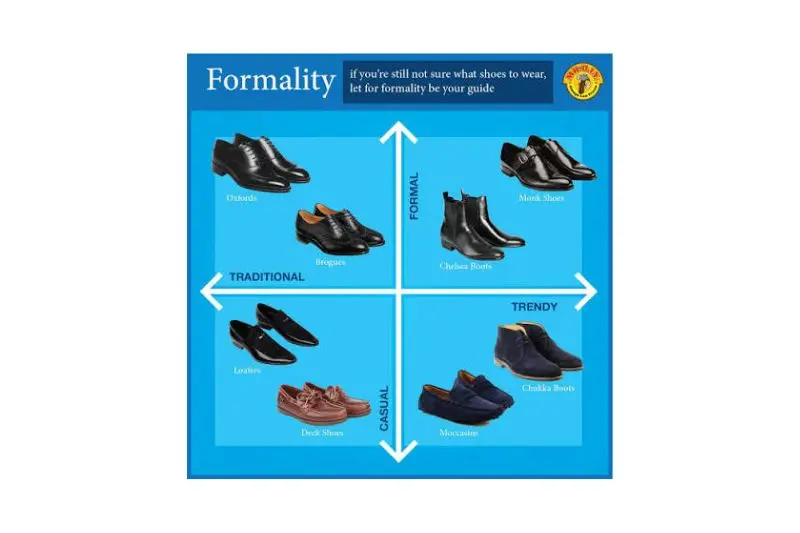
- Loafers and Slip-Ons: The perfect bridge between casual and smart-casual. Suede or leather loafers add a touch of sophistication to chinos without feeling overly formal.
- Casual Boots: Options like chelsea boots or chukkas add texture and rugged charm to autumn and winter outfits.
- Boat Shoes and Moccasins: Excellent warm-weather alternatives that offer a preppy, nautical vibe for vacations or outdoor gatherings.
Step 2: Match Your Shoes to the Correct Bottoms
The relationship between your trousers and your footwear dictates the success of your entire outfit. You must pay attention to the cut, color, and fabric weight of your pants.
When wearing slim-fit denim, opt for low-profile sneakers or sleek chelsea boots to maintain a streamlined silhouette. If you prefer relaxed or straight-leg trousers, chunkier sneakers or rugged work boots will balance the visual weight of the fabric. For chinos, stick to smart-casual options like suede chukkas or loafers. Always ensure the hem of your pants rests neatly at the top of your shoe, or master the art of the pinroll cuff for a modern, cropped look.
Step 3: Master Color Coordination and Contrast
Color harmony is what separates a novice dresser from an expert. If you are just starting out, prioritize neutral colors for your footwear collection.
White, grey, navy, brown, and black shoes are the easiest to style because they complement almost any color palette. As a general rule, your shoes should either complement the tones of your outfit or provide a deliberate, tasteful contrast. For instance, an all-black outfit paired with pristine white sneakers creates a sharp, intentional contrast. Conversely, pairing earth-toned chinos with brown suede boots creates a cohesive, warm aesthetic.
Step 4: Adapt Your Footwear to the Season
Your choice of casual footwear must change alongside the weather to ensure both comfort and style appropriateness.
During the hot summer months, prioritize breathable materials like canvas, knit mesh, and unlined suede. This is the prime season for low-top sneakers, boat shoes, and lightweight slip-ons. As the temperature drops in autumn and winter, transition to heavy-duty materials like full-grain leather and water-resistant treated suede. Bring out your leather boots and high-top sneakers to protect your feet from the elements while adding rich texture to your layered winter outfits.
Step 5: Transition from Casual to Smart-Casual
One of the greatest benefits of modern casual footwear is its ability to dress down formal wear or dress up basic street style.
To elevate a basic t-shirt and jeans combination, simply swap your athletic running shoes for a pair of clean leather loafers or minimalist leather sneakers. If you want to make a structured blazer and trousers combination feel more relaxed for a dinner date, swap the traditional dress shoes for premium, unbranded white sneakers. The key to this transition lies in keeping the shoes spotlessly clean and free of excessive athletic branding.
Benefits of Following a Casual Shoes Style Guide
- Streamlined Decision Making: Eliminates morning wardrobe frustration by giving you clear, pre-established formulas for pairing shoes with outfits.
- Cost Efficiency: Saves money by steering you toward versatile, high-quality footwear that matches multiple outfits instead of impulse buys.
- Enhanced Personal Aesthetic: Instantly elevates your overall appearance, making you look more polished, intentional, and put together.
- Optimal Comfort: Ensures you select shoes that provide the right physical support for your daily activities without sacrificing your style.
- Extended Footwear Lifespan: Teaches you how to rotate and care for your shoes properly, ensuring they last for years rather than months.
- Adaptability: Empowers you to confidently attend events with ambiguous dress codes, knowing exactly how to strike the right balance.
Disadvantages and Risks of Mismanaging Casual Footwear
- Looking Overly Casual: The risk of misinterpreting “casual” as sloppy, resulting in wearing worn-out gym shoes to a nice restaurant.
- Rapid Wear and Tear: Wearing the exact same pair of shoes every single day without letting them rest causes them to break down prematurely.
- Inappropriate Seasonal Choices: Wearing lightweight canvas shoes in the winter or heavy leather boots in the summer leads to physical discomfort.
- Poor First Impressions: Neglecting to clean your casual footwear can ruin an otherwise excellent outfit, signaling a lack of attention to detail.
- Physical Foot Pain: Choosing cheap, unsupportive fashion sneakers for long walking tours can result in arch, heel, or back pain.
Common Mistakes to Avoid
One of the most frequent errors people make is wearing technical running shoes outside of the gym. Modern athletic sneakers designed for marathons or heavy cross-training rarely look good with casual denim or chinos. Instead, keep your performance gear separate from your lifestyle wardrobe.
Another massive mistake is neglecting shoe maintenance. No matter how expensive or stylish your sneakers are, if they are covered in dirt and scuffs, they will drag down your entire look. Make it a habit to wipe down your midsoles regularly.
Finally, avoid wearing the wrong socks. Showing thick, white athletic tube socks while wearing low-top sneakers and shorts breaks visual continuity. Invest in quality no-show socks for the summer and color-matching crew socks for the colder months to keep your outfit looking cohesive and deliberate.
Can I wear casual sneakers to a job interview?
It entirely depends on the industry, but for most traditional corporate roles, it is best to avoid them. However, if you are interviewing at a creative agency or a modern tech startup, a pair of pristine, high-end minimalist leather sneakers paired with smart trousers and a blazer can be highly appropriate. Always research the company culture beforehand.
How often should I clean my casual leather shoes?
You should give your leather shoes a quick wipe down with a damp cloth after every few wears to prevent dirt from settling into the creases. A deeper clean, involving specialized leather cleaner and conditioner, should be performed every one to two months depending on how frequently you wear them. Conditioning keeps the leather supple and prevents cracking.
Do I need to match my belt color with my casual shoes?
In formal wear, matching your leather belt precisely to your leather shoes is a strict rule. In casual style, however, the rules are much more relaxed. While you do not need an exact match, you should keep the tones complementary. For example, if you are wearing brown suede shoes, opt for a brown or casual fabric belt rather than a shiny black formal leather belt.
Are canvas shoes durable enough for daily winter wear?
No, canvas is a highly porous material that offers virtually no insulation against the cold and absorbs water quickly in rain or snow. Wearing canvas shoes in the winter will result in cold, wet feet and will quickly ruin the fabric. Save canvas sneakers for warm, dry seasons and opt for leather boots during winter.
What is the difference between casual and smart-casual footwear?
Casual footwear includes items like canvas slip-ons, distressed sneakers, and sandals, which are meant for strictly relaxed settings. Smart-casual footwear includes refined options like minimalist leather sneakers, suede loafers, and chukka boots. These styles are clean, sophisticated, and capable of being paired with tailored clothing.
Can men wear loafers without socks?
Yes, wearing loafers without socks is a classic warm-weather style staple. However, to maintain hygiene and comfort, you should never actually go barefoot. Always wear high-quality no-show socks that sit completely hidden beneath the shoe line to absorb sweat and prevent painful blisters.
Expert Tips & Bonus Points
- Invest in Cedar Shoe Trees: Insert solid cedar shoe trees into your leather casual shoes and boots immediately after taking them off. The porous wood absorbs moisture and sweat, kills foot odor naturally, and maintains the original shape of the shoe upper to prevent deep creasing.
- The Power of strategic Rotation: Never wear the exact same pair of leather or suede shoes two days in a row. Footwear requires at least 24 to 48 hours to air out, dry completely, and recover its structural integrity, which effectively doubles the lifespan of your collection.
- Apply Nano Water-Repellent Sprays: Treat your canvas, knit, and suede footwear with a premium stain and water repellent spray before wearing them outdoors for the first time. This invisible barrier prevents liquid spills and road mud from permanently bonding with the delicate fabric fibers.
- Upgrade and Refresh Your Laces: If your favorite everyday sneakers are starting to look worn out, do not discard them. Simply replacing the dirty, frayed laces with fresh, high-quality waxed cotton or crisp white laces can instantly make old shoes look brand new.
- Embrace the Monochrome Visual Hack: When you want to look effortlessly sharp, match your footwear color to the tone of your trousers. Creating a seamless, monochromatic line down your lower body visually elongates your silhouette, making you look taller and more cohesive.
- Utilize the Eraser Method for Suede: Keep a specialized suede eraser and stiff bristle brush handy in your closet. Gently rubbing away dry scuffs and lifting the nap of the suede fabric takes less than two minutes but keeps your smart-casual loafers looking pristine.
Conclusion
Mastering the art of everyday footwear does not require a massive financial budget or a massive walk-in closet filled with hundreds of trending options. By understanding and implementing the foundational principles outlined throughout this comprehensive Casual Shoes Style Guide, you can construct a highly functional, sophisticated collection that effortlessly meets the daily demands of your modern lifestyle. True style lies in curation and intentionality rather than chasing temporary fast-fashion trends. Focus your energy on acquiring a few versatile, premium-quality pieces—such as minimalist white leather sneakers, timeless suede loafers, and dependable heritage boots.
It is crucial to remember that cleanliness, proper fit, and seasonal appropriateness carry just as much weight as the brand name stamped on the sole. A well-maintained, mid-tier shoe will always look significantly better than a filthy, neglected luxury designer sneaker. As you implement these structured wardrobe formulas, transition guidelines, and maintenance habits, you will quickly find that getting dressed in the morning becomes an effortless, stress-free routine. Your confidence will naturally grow as you realize your footwear is perfectly attuned to your surroundings, whether you are attending a casual weekend brunch, walking through a creative office space, or stepping out for a relaxed evening dinner date.
Personal style is a continuous journey of self-expression, and your shoes serve as the literal and metaphorical foundation of that journey. Treat your footwear collection as a long-term investment in your personal presentation and daily physical comfort. Keep experimenting with different textures, respect the guidelines of color coordination, commit to a strict rotation schedule, and protect your investments from the elements. By stepping out into the world with clean, deliberate, and appropriate footwear, you present a polished and grounded version of yourself to everyone you meet. Elevate your footwear game today, maintain your collection with pride, and walk forward with absolute confidence.
