


The journey of a runner, whether it begins with a tentative jog around the local neighborhood block or a meticulously structured training plan for an upcoming half-marathon, is inherently deeply personal. It is an athletic pursuit defined by a continuous internal dialogue between mental discipline and physical endurance. Yet, despite the beautiful simplicity of a sport that requires no expensive gym memberships, specialized club equipment, or complex team coordination, there remains one single, non-negotiable variable that can completely dictate your success: your footwear. Choosing the correct footwear is not merely a matter of aesthetic preference or casual comfort; it is a foundational choice that directly governs your biomechanical efficiency, your physical safety, and your overall enjoyment of the sport. This comprehensive best running shoes review serves as your definitive guide to understanding that relationship and finding your perfect match.
To the uninitiated observer, a modern running shoe might look like nothing more than a colorful amalgamation of rubber, foam, and mesh fabric designed to look athletic on a store shelf. However, beneath that exterior skin lies an incredibly complex arena of sports science, material engineering, and orthopedic research. Over the past several decades, the global footwear industry has undergone a massive technological evolution, moving away from heavy, rigid leather structures toward ultra-lightweight, chemically engineered materials designed to mimic or enhance the natural movement of the human foot. Today, major athletic brands dedicate millions of dollars annually to specialized biomechanics laboratories, employing elite sports scientists, physicists, and podiatrists to analyze the precise physics of human locomotion. Every single curve of an outsole, every millimeter of a heel-to-toe drop, and every chemical variation within a midsole foam compound is intentionally engineered to alter how your body interacts with the harsh, unyielding ground beneath you.
For the beginner runner, walking into a dedicated specialty running store or browsing an expansive online catalog can easily induce a severe state of choice paralysis. The market is absolutely flooded with a dizzying array of technical buzzwords, proprietary naming conventions, and bold marketing claims. One brand might heavily promote the miraculous energy return of its pressurized gas-infused foam, while another champions the unparalleled structural safety of its wave-shaped stability plates. To make matters even more complicated, the modern running community often finds itself divided into passionate ideological factions. On one side, you will find vocal proponents of the maximalist cushioning movement, who firmly believe that piling massive, plush stacks of advanced foam under the foot is the ultimate key to joint longevity and recovery. On the opposite end of the spectrum, minimalist and zero-drop purists argue with equal fervor that stripping away structural interventions is the only true way to strengthen the foot’s intrinsic muscles and restore natural, evolutionary running form.
As an intermediate runner who has already logged hundreds of miles, the challenges change but do not disappear. You might find that the reliable pair of shoes that successfully carried you through your initial Couch-to-5K program is suddenly starting to cause subtle knee aches, localized arch soreness, or stubborn blisters as you attempt to step up your weekly mileage and transition into faster tempo workouts. This happens because your physical needs naturally shift as your cardiovascular engine improves, your stride power increases, and your running mechanics evolve. An intermediate runner requires a much more nuanced understanding of shoe rotation, recognizing that a heavy, max-cushioned shoe that is ideal for a slow, low-intensity recovery day will actively work against them during an intense track interval session where rapid ground contact and snappy responsiveness are paramount.
This is precisely where a rigorous, objective best running shoes review becomes an invaluable asset in your fitness arsenal. A truly high-quality review does not simply parrot the glossy marketing copy found on a manufacturer’s retail website, nor does it rely on superficial declarations of a shoe looking stylish or feeling soft during a ten-second try-on session in a showroom. Instead, an expert review systematically deconstructs a shoe down to its core components, evaluating it through a lens of real-world durability, practical biomechanics, and targeted athletic utility. By closely examining the real-world performance of various cushioning materials, assessing the breathability and structural hold of engineered uppers, and analyzing how different outsoles handle wet asphalt or loose gravel, a comprehensive review acts as a transparent translator. It strips away the corporate hyperbole and provides you with the clear, actionable insights necessary to align a shoe’s specific design strengths with your individual physical requirements.
Ultimately, the search for the perfect running shoe is an investment in your long-term health, physical longevity, and mental well-being. Running is a high-impact sport that subjects your lower extremities to repetitive forces that can easily exceed three times your total body weight with every single stride you take. Over the course of a standard thirty-minute run, your feet will strike the hard ground thousands of times. If your footwear fails to provide the precise level of impact absorption, structural guidance, or anatomical fit that your unique body shape requires, those unmitigated forces will inevitably travel upward through your skeletal system, manifesting as chronic injuries that can sideline your fitness ambitions for months. Conversely, when you find that elusive pair of shoes that fits seamlessly into your gait cycle, running transforms from a grueling, painful chore into a fluid, empowering, and deeply rewarding experience. Let us dive deep into the mechanics of footwear design and explore how to identify the absolute best shoe for your running journey.
What is a Best Running Shoes Review?

A best running shoes review is a comprehensive, data-driven evaluation of athletic footwear designed specifically for forward-motion exercise. Unlike general fashion sneaker critiques, these specialized reviews analyze critical performance metrics such as midsole cushioning, energy return, upper breathability, and outsole durability. Industry experts and everyday runners test these shoes across various terrains, including asphalt, concrete, dirt trails, and synthetic tracks, to determine how they perform under pressure.
Furthermore, a quality review dives deep into the specific engineering of each shoe model. It examines structural elements like the heel-to-toe drop, structural medial posts for stability, and the flexibility of the forefoot. By compiling these technical specifications and translating them into practical benefits, a running shoe review acts as a roadmap. It guides consumers away from marketing gimmicks and steers them toward footwear that provides genuine support, comfort, and longevity.
Why is a Best Running Shoes Review Important?
Reading a thorough best running shoes review is essential because the wrong footwear can lead to immediate discomfort and chronic long-term injuries. When you run, your feet absorb up to three times your body weight in impact force with every single stride. High-quality running shoes are engineered to absorb this repetitive shock, protecting your ankles, knees, hips, and lower back from excessive strain and stress.
Additionally, investing in the right pair of shoes significantly boosts your running efficiency and overall enjoyment of the sport. Modern footwear technologies, such as responsive foam compounds and structural carbon-fiber plates, help propel you forward while minimizing muscle fatigue. By consulting an objective review before making a purchase, you save time and money, avoid painful blisters, and ensure your training sessions remain consistent and injury-free.
Detailed Step-by-Step Guide to the Best Running Shoes
Choosing the right running shoes requires a systematic approach to understanding your unique physical needs and running environment. Follow this step-by-step breakdown to navigate the selection process like a seasoned professional.
Step 1: Determine Your Foot Arch and Gait Style
Before browsing online stores or visiting a local pro shop, you need to understand how your foot moves when it hits the ground. Wet the bottom of your foot and step onto a piece of brown cardboard to view your footprint shape.
- Normal Arch (Neutral Gait): If your footprint shows a distinct curve connecting your heel and forefoot, you are a neutral runner. Your foot rolls inward slightly to absorb shock naturally, meaning you require standard neutral cushioning shoes.
- Low Arch or Flat Feet (Overpronation): If your footprint looks like a complete, solid foot shape, your ankles likely roll inward excessively when you run. This requires stability shoes featuring structural support mechanisms to prevent injury.
- High Arch (Underpronation/Supination): If your footprint shows only your heel and the ball of your foot with a thin outer strip, your feet do not roll inward enough. You need highly cushioned shoes to absorb the impact forces.
Step 2: Choose the Right Category Based on Terrain
Running shoes are specifically optimized for the surfaces you plan to spend the most time training on. Using a shoe on the wrong surface will lead to premature wear and potential traction issues.
- Road Running Shoes: Designed for paved surfaces, sidewalks, and occasional treadmills. They feature ample cushioning to absorb repetitive impacts on hard concrete and flat outsoles for smooth traction.
- Trail Running Shoes: Built for off-road adventures, dirt paths, mud, and rocky terrain. They boast aggressive outsole lugs for superior grip, durable uppers to resist tears, and rock plates to protect against sharp objects.
- Track and Racing Shoes: Lightweight, stripped-down models engineered for maximum speed during speed workouts or competitive races. They often feature stiff internal plates and minimal padding to save weight.
Step 3: Analyze Midsole Cushioning Levels
The level of cushioning you choose dictates how much ground feel you experience and how much impact protection your joints receive during your runs.
- Maximum Cushioning: These shoes feature thick, plush midsoles that offer ultimate comfort. They are perfect for recovery runs, long-distance training, and protecting sensitive joints from repetitive stress.
- Moderate Cushioning: Offering a balanced blend of traditional plushness and ground feedback, this versatile category is ideal for beginners and everyday training sessions.
- Minimalist Cushioning: Designed for runners who prefer a natural barefoot feel. These shoes have very thin midsoles, promoting foot strength but requiring a careful, slow transition period to avoid injury.
Step 4: Evaluate Upper Materials and Overall Fit
The upper part of the shoe holds your foot securely in place and must balance durability with adequate airflow to keep your feet cool and dry.
- Engineered Mesh: The most common upper material, providing targeted breathability in hot zones and structured support around the midfoot.
- Knit Uppers: Offer a sock-like, flexible fit that stretches to accommodate various foot shapes, though they sometimes lack lateral stability for sharp turns.
- The Thumb Rule: Always ensure there is a thumb’s width of space between your longest toe and the front of the shoe to allow for natural foot swelling during long runs.
Benefits of the Best Running Shoes
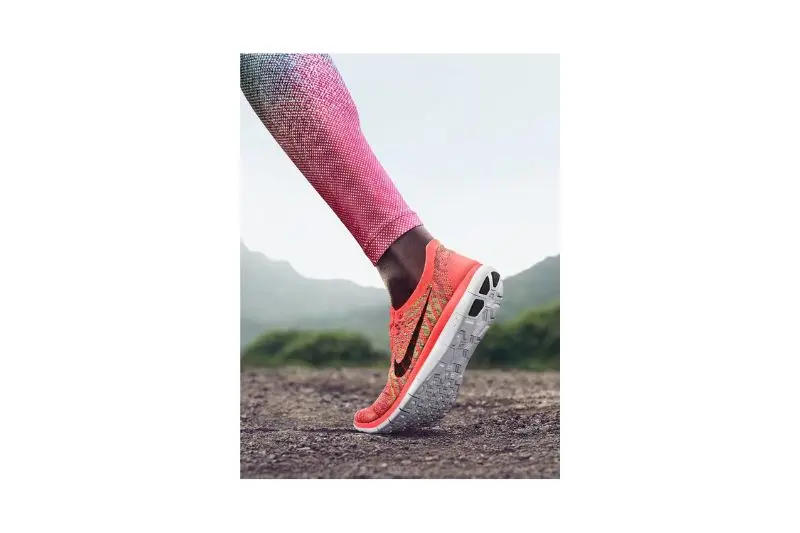
Investing in high-quality running footwear offers a wide array of physical and psychological advantages that directly enhance your training routine.
- Superior Shock Absorption: Premium midsole foams mitigate the harsh impact forces experienced on concrete sidewalks, directly protecting your joints and bones.
- Enhanced Blister Prevention: Anatomical heel collars and seamless, engineered mesh uppers reduce friction, eliminating hot spots and painful skin chafing.
- Improved Energy Return: Modern TPU and PEBAX foams bounce back rapidly upon compression, reducing muscle fatigue and keeping your legs feeling fresh.
- Targeted Orthopedic Support: Specialized stability structures guide overpronating feet into a neutral alignment, reducing strain on the plantar fascia and shins.
- Increased Workout Consistency: When your feet are perfectly comfortable, you are far more likely to stick to your training schedule and reach your fitness milestones.
Disadvantages and Risks of Choosing the Wrong Shoes
Using the incorrect type of footwear or holding onto worn-out pairs introduces significant risks that can derail your fitness goals completely.
- Accelerated Overuse Injuries: Substandard or worn cushioning often leads directly to common ailments like plantar fasciitis, shin splints, and runner’s knee.
- Altered Running Biomechanics: Wearing heavy stability shoes when you actually possess a neutral gait can force your body into unnatural movement patterns.
- Premature Financial Loss: Purchasing low-grade department store sneakers often results in broken outsoles and torn uppers within just a few weeks of use.
- Reduced Training Performance: Excessively heavy or poorly ventilated shoes cause early fatigue, sluggish lap times, and uncomfortable, overheating feet.
- Toe Nail Trauma: Shoes that are too small cause your toes to slam repeatedly into the front of the toe box, resulting in painful black toenails.
Common Mistakes to Avoid When Buying Running Shoes
Avoid these frequent pitfalls to ensure your next footwear purchase is a massive success.
Buying for Style Over Substance
It is incredibly tempting to purchase a pair of running shoes based solely on a trendy colorway, a sleek silhouette, or celebrity endorsements. However, fashion sneakers rarely offer the precise structural engineering required to support your body during rigorous athletic training. Always prioritize biomechanical fit, cushioning depth, and stability features over aesthetics.
Assuming Your Size is Uniform Across All Brands
A size 10 in one brand can easily fit like a size 9.5 or a 10.5 in another due to variations in lasting, manufacturing origins, and upper materials. Furthermore, your feet naturally expand and flatten slightly over years of running. Always measure your feet in the afternoon when they are at their largest, and focus on physical measurements rather than the printed size tag.
Keeping Shoes Past Their Expiration Date
Many runners mistakenly assume that as long as the upper fabric looks clean, the shoe is perfectly fine to use. In reality, the invisible internal structures of midsole foam break down permanently after 300 to 500 miles of usage. Once the foam loses its resiliency, it ceases to absorb shock effectively, drastically increasing your risk of developing overuse injuries.
How often should I replace my running shoes?
As a general industry standard, you should look to replace your running shoes every 300 to 500 miles. For a runner averaging 15 miles per week, this equates to getting a new pair roughly every six to eight months. You can also spot physical signs of expiration, such as deep horizontal creases wrinkling the midsole foam, exposed rubber on the outsole lugs, or persistent foot aches after routine workouts.
What is the difference between road and trail running shoes?
Road running shoes are specifically engineered with flat, smooth outsoles to maximize surface area contact on asphalt, alongside plush midsoles designed to dissipate hard impacts. Conversely, trail running shoes utilize deep rubber lugs for gripping loose mud and gravel, reinforced uppers to resist tearing from trail debris, and rigid rock plates buried inside the midsole to protect against sharp stones.
Should I buy a size larger than my normal casual shoes?
Yes, it is highly recommended to purchase your running shoes a half-size to a full-size larger than your standard casual dress shoes. When you run, the increased blood flow combined with repetitive forward impact causes your feet to swell significantly. Having extra room in the toe box prevents your toes from bruising against the front fabric and allows your feet to splay naturally.
Can I use cross-training or gym shoes for distance running?
While cross-trainers are fantastic for lateral movements, weightlifting, and HIIT classes, they are poorly suited for dedicated distance running. Gym shoes are purposely designed with stiff, flat, and firm bases to provide stability during heavy lifts. Running shoes require specific forward flexibility, specialized heel-to-toe drop geometry, and thick shock-absorbing foam optimized solely for linear movement.
What does “heel-to-toe drop” mean, and why does it matter?
Heel-to-toe drop refers to the structural difference in height between the cushioning under your heel and the cushioning under the ball of your foot. Measured in millimeters, a traditional high drop (10mm to 12mm) shifts the impact load away from your calves and Achilles tendons onto your knees and hips. A low or zero drop (0mm to 4mm) encourages a midfoot strike, loading the lower leg muscles more heavily.
How do I know if I need a stability shoe or a neutral shoe?
You need a stability shoe if your ankles noticeably roll inward excessively after your foot strikes the ground, a biomechanical trait known as overpronation. This movement pattern often causes your knees to collapse inward and can result in shin splints. If your feet remain straight or roll outward slightly during your stride, you possess a neutral gait and should stick with neutral cushioning shoes.
Expert Tips & Bonus Points for Success
Maximize the lifespan and performance of your new running footwear by implementing these professional strategies.
- Rotate Multiple Pairs: If you run multiple days in a row, avoid wearing the exact same shoe consecutively. Alternating between two pairs gives the compressed midsole foam a full 48 hours to fully decompress and recover its original structural shape. This simple practice effectively extends the total mileage lifespan of both shoes by ensuring the delicate cell structures inside the foam do not permanently pack down prematurely.
- Never Machine Wash or Dry: Exposing your running shoes to the aggressive tumbling action of a washing machine or the intense heat of a clothes dryer will permanently warp the foam and melt the structural upper glues. Clean them gently by hand using cold water, mild soap, and an old toothbrush, then let them air-dry completely in a shaded, well-ventilated area away from direct sunlight.
- Invest in Quality Performance Socks: Even the most advanced, expensive running shoe will fail to prevent painful blisters if you pair it with cheap, moisture-retaining 100% cotton socks. Always invest in synthetic or merino wool running socks that actively wick sweat away from your skin to keep your feet dry, cool, and friction-free across long distances.
- Utilize the Runner’s Loop Lacing Technique: If you experience any annoying heel slippage or friction while running up hills, utilize the extra eyelets located at the very top of your shoe to create a lace lock. This simple modification anchors your heel securely into the back cup without overtightening the front laces, preserving optimal circulation.
Conclusion
Finding the right footwear requires a clear understanding of your personal biomechanics, your primary training terrain, and your specific comfort preferences. By utilizing a comprehensive best running shoes review, you can successfully bypass confusing marketing buzzwords and identify a pair that truly supports your unique fitness journey. Remember to prioritize proper structural support, adequate impact cushioning, and a spacious toe box over temporary fashion trends or flash colors to ensure a safe, sustainable experience. The market will always be filled with changing technologies, but anchoring your choices in foundational biomechanical fit will keep you grounded and moving forward efficiently.
Whether your immediate goal is to complete your very first continuous mile around the neighborhood or to set a brand-new personal record at a local 10k race, your shoes serve as the critical foundation for your physical health. Take the necessary time to accurately assess your stride, avoid the common pitfalls of rushing your purchase based on style alone, and treat your footwear as a vital investment in your physiological longevity. When your footwear aligns seamlessly with your natural gait, you minimize the micro-trauma inflicted on your joints and muscles, turning a grueling workout into a smooth, rhythm-driven experience.
Ultimately, consistency is the true secret to progressing as a runner, and nothing derails consistency faster than an avoidable injury caused by improper equipment. By arming yourself with the correct technical knowledge, listening closely to the feedback from your feet, and respecting the lifespan limitations of modern midsole foams, you set yourself up for years of injury-free miles. Treat your body with respect, choose your gear with care, and let your footwear do the heavy lifting of shock absorption so your mind can focus entirely on the open road ahead. Lace up your new shoes with confidence, hit the roads safely, and enjoy the incredible journey ahead
